
The second half of 2026 still has a handful of city-builders that look like they understand the difference between “pretty buildings” and actual systems. Most of the storefront noise is the usual mix of early-access traps and cosmetic upgrades. A few titles, though, are showing clear signals that they might deliver something more useful.
This is not a complete calendar. It is a shortlist of the ones currently worth tracking if you care about logistics, progression design, environmental pressure, or regional-scale management rather than just another pretty skyline.
What I’m Filtering For
Evidence of interlocking systems rather than just placement tools
Developers with a track record (or a demo that already shows readable mechanics)
Clear differentiation from the current crop of “build pretty, manage lightly” games
Realistic scope for the rest of 2026
If a game is mostly vibes and trailers, it stays off the list.
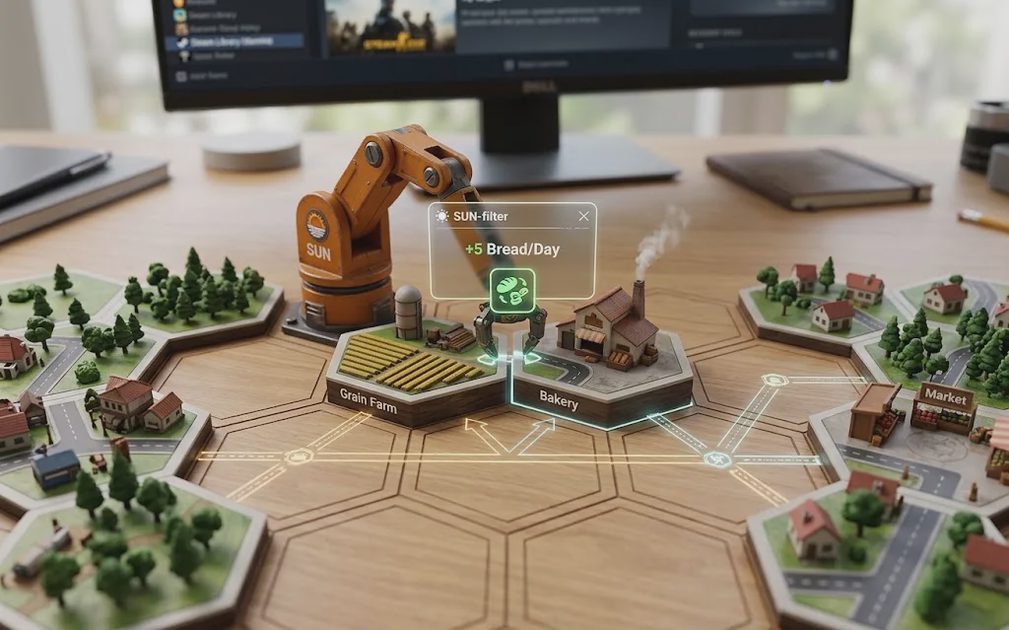
Combolands: Roguelike Citybuilder
Release: August 24, 2026
The most interesting structural experiment right now. It takes the strategic placement and density thinking of a classic city-builder and runs it through a tight, timed, roguelite loop with combo-driven modifiers. Early demos suggest the systems are readable and the tension comes from limited actions and escalating requirements rather than endless sandbox sprawl.
Why watch: It might solve the “one-hundred-hour save file fatigue” problem that hangs over a lot of the genre.
Caution: Roguelite structure can feel thin if the underlying city systems lack depth. The demo is the real test.
Planet Zoo 2
Release: October 13, 2026
Frontier’s sequel is the biggest pure management release on the calendar. The meaningful upgrades are aquatic and flying species, proper wildlife reserves, and a stronger conservation loop that extends beyond the zoo walls. The original Planet Zoo already had excellent habitat and guest-flow systems. This one looks like it is trying to deepen the ecological side without abandoning the creative building tools.
Why watch: If you like management games where the “citizens” have actual needs and the systems respond to how you house them, this is the clearest high-production bet of the year.
Who it is for: Players who want systems depth wrapped in strong presentation and creative freedom.
Transport Fever 3
Expected later in 2026
Urban Games is leaning harder into city-management and logistics this time. The series has always been about transport networks, but recent trailers suggest more attention to how those networks shape actual urban growth and player decision-making. It is not a pure city-builder, but it is one of the few titles that treats logistics as the primary system rather than an afterthought.
Why watch: If Cities: Skylines II left you wanting tighter supply-chain and movement systems, this is the one most likely to scratch that itch.
Note: Exact date still floating. Worth a wishlist, not a day-one assumption.
Theos: Cities of Myth
Still upcoming (gameplay shown August 2026)
From the team behind Pharaoh: A New Era. Ancient Greece setting with gods whose demands sit alongside normal city needs. The classic city-builder DNA is visible — production chains, district logic, and the need to balance competing pressures. Early footage suggests they are trying to keep the systems readable while adding a layer of divine interference that actually changes priorities.
Why watch: Proven developers returning to the genre with a clear mechanical hook instead of pure nostalgia.
Risk level: Medium. The gods could either create interesting tension or become flavor text.
County of Fortune
Early Access targeted for Q4 2026 (demo already available)
A regional-scale county builder rather than a single-city one. You found and specialize multiple settlements across a larger map, dealing with resources, logistics, and community needs at a broader level. The demo has been out long enough to show that the core loop is about guiding growth rather than micromanaging every house.
Why watch: Scale is often promised and rarely delivered cleanly. This one is at least attempting a different zoom level with visible systems.
Best for: Players who got tired of single-city optimization loops.
MapCity
Early Access: September 8, 2026
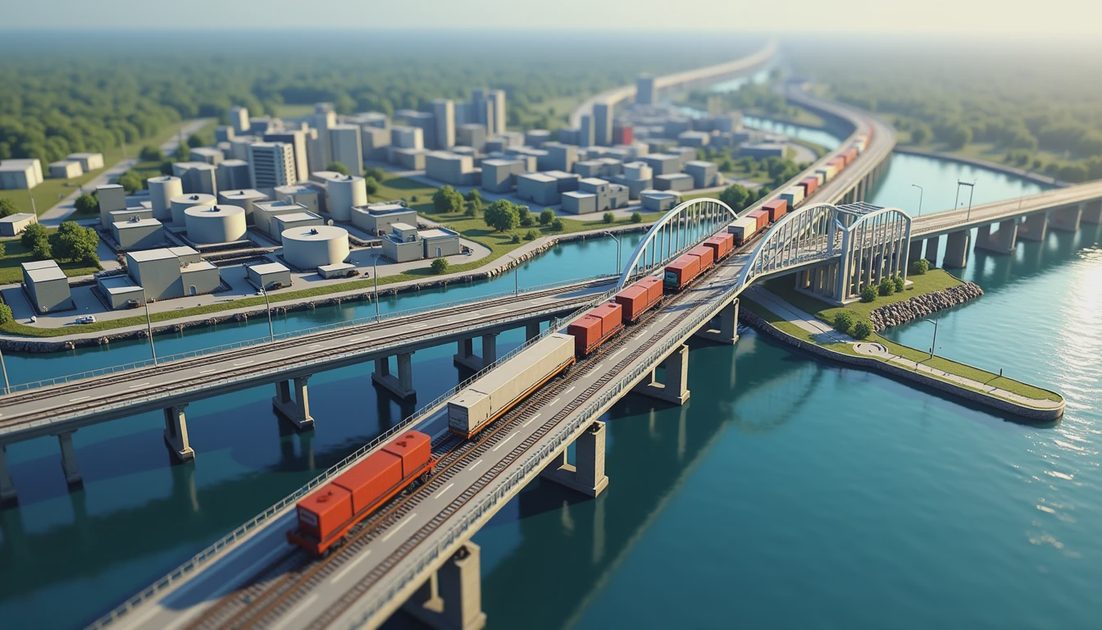
A more experimental sandbox. You draw cities directly onto maps (including real-world data imports) with a strong emphasis on freeform planning. It sits closer to a creative tool than a traditional management sim, but the underlying idea of treating the map itself as the primary system is interesting.
Why watch: If you care more about spatial design and large-scale layout experiments than tight economic loops.
Honest take: More curiosity than must-play systems depth at this stage.
A Few Others on the Radar
Mandate Order (already in Early Access as of August 2026): Ancient China military city-builder with logistics and advisor systems. Worth checking if you want conflict layered into the usual production chains.
Next Reign: Kingdom (September 3): Incremental medieval kingdom builder. Lighter systems, more progression-focused.
Neighborhoods: Cozy claymation city-fixer with an emphasis on walkability and resident experience. Still early, but the design philosophy is distinct.
My advice: play the demo, read the reviews, then decide. Most of the city‑builders worth watching already have playable demos on Steam – including Steel Artery, Agecraft, and others.
Spending 20 minutes on a demo is far smarter than spending $20 on a game that isn’t for you.
“Worth a wishlist, not a day‑one buy.”
Next week on Wishlist Control, I’ll be looking at a batch of management and tycoon games coming to Steam in late 2026 – from shop sims to zoos to restaurants.
Until then, add the ones that caught your eye to your wishlist, and wait for the sales.




Letters
No letters yet — be the first to write.