
I give most simulation and management games a real chance. I play the demo if one exists. I push past the tutorial. I try to meet the game on its own terms. And still, a noticeable number of them lose me within the first few hours.
This is not a rage-quit list or a review of specific failures. It is a record of the recurring reasons certain sims stop feeling worth my time, even when the premise looked strong on paper.
The Early Game Was the Entire Game
Some titles front-load almost everything interesting. The first session introduces a satisfying loop, a few clever systems, and a clear fantasy. Then the next several hours mostly repeat that same loop with higher numbers and slightly bigger maps.
Once I realize the core experience is not going to deepen or shift, my interest drops quickly. I do not need constant novelty, but I do need evidence that the systems have more to say. When the game has already shown its full hand, continuing starts to feel like obligation.
Busywork Arrived Before Insight
A pattern I have learned to distrust: the game generates a steady stream of tasks, alerts, and maintenance actions before it has taught me how the underlying systems actually work.
I end up moving resources, clearing queues, and responding to prompts without building any real understanding. The activity level is high. The sense of mastery is near zero. That combination burns attention fast. I would rather play a slower game that teaches me something than a busier one that only keeps me occupied.

The Systems Stayed Opaque
I can tolerate complexity. I struggle with opacity.
When cause and effect remain unclear after a reasonable amount of play — when changing a setting or redesigning a layout produces no readable feedback — I start to disengage. Good simulation games make their logic discoverable. Weak ones hide it behind menus, delayed consequences, or poorly explained relationships. At that point I am no longer experimenting; I am guessing. Guessing is not interesting for long.
The Fantasy and the Mechanics Disagreed
Some games sell a clear fantasy in the trailer and store page, then deliver systems that undermine it.
A “cozy” management game that constantly punishes imperfect play. A “deep” strategy sim whose decisions rarely feel meaningful. A city-builder that talks about creative freedom while funneling you into narrow optimal paths. When the emotional promise and the mechanical reality diverge, the disconnect becomes hard to ignore. I usually leave once that gap is obvious.
Progression Felt Like More of the Same
I do not need radical new mechanics every hour. I do need progression that changes the nature of my decisions.
When the only thing that changes is scale — bigger numbers, more buildings of the same type, larger versions of the same problems — the game starts to feel static even as the map grows. The best sims use progression to reframe what you are optimizing for. The ones I drop often use it only to demand more of the same attention.
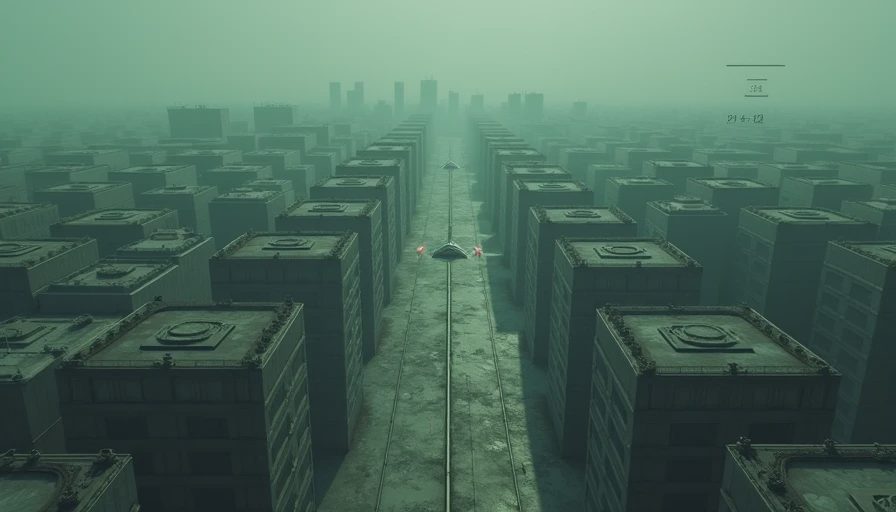
What I Have Learned to Watch For
These early exits have made my filtering sharper. I now pay closer attention to:
Whether the core loop still feels purposeful after the novelty window
How quickly the game starts teaching me its systems instead of just assigning tasks
Whether feedback is clear enough to support experimentation
Whether the fantasy and the mechanics are actually aligned
None of these are guarantees. They are simply the patterns that have repeatedly predicted whether I will still be playing a week later.
Dropping a game quickly is not a failure of patience. Sometimes it is the correct response to a design that has already revealed its limits. The simulation and management genre is full of games that respect your time and intelligence. The ones that do not usually show their hand early — if you are willing to notice.



Letters
No letters yet — be the first to write.