Fantasy strategy games sit in a sweet spot between grand planning and glorious nonsense. You can spend an hour balancing grain production, then send a dragon to solve a border dispute because diplomacy has failed for the third time. For PC players who enjoy city-builders, tactical combat, and management systems, the genre offers some of the best long-form games on Steam. The trick is knowing whether you want a kingdom simulator, a campaign map, or a tactical puzzle with elves attached.
What makes fantasy strategy games worth playing?
The best fantasy strategy games give every decision a visible consequence. Build a sawmill in the wrong valley and your settlement spends the next season short on lumber. Recruit too many elite soldiers and your treasury collapses before the next invasion. These systems create stories without needing constant cutscenes, which is why a good campaign can stay in your head longer than a louder, more expensive release.
I look for three things before recommending a title. First, the core loop needs to be understandable within the opening hour. Second, the game should offer meaningful choices rather than a long list of upgrades that all produce the same result. Third, the interface must respect your time. A complicated economy is fun; hunting through six menus to find a missing worker is just administrative punishment wearing a wizard hat.
The strongest examples also support different player moods. You might want a peaceful settlement builder where threats are manageable, or a ruthless 4X campaign where every alliance is temporary. Some games reward careful preparation, while others let you recover from disaster through improvisation. That range is why the category works so well for simulation fans.

Choose your preferred kind of fantasy strategy game
Before buying, decide where you want to spend most of your attention. If you liked city-builders but wish they had stronger armies and political pressure, look for a kingdom-management game. These titles turn housing, food, roads, taxation, and defense into one connected problem. They are excellent for players who enjoy watching a small settlement become an organized capital.
If you prefer combat decisions, choose a tactical campaign. Here, the fun comes from positioning units, exploiting terrain, and deciding when to spend limited abilities. A ten-minute battle can matter because one injured champion might be unavailable for the next mission. This is the right lane for players who enjoy XCOM-style planning but want spellbooks, monsters, and ancient ruins instead of conventional soldiers.
Grand strategy games operate at a wider scale. You may manage several factions, control research, negotiate treaties, and direct armies across a large map. The learning curve is steeper, but the payoff is a campaign that develops its own history. A minor barony can become an empire, or it can disappear because you ignored a neighboring warlord while optimizing your tax rate.
Fantasy strategy games are not all trying to deliver the same experience. A relaxing builder and a brutal campaign can share dragons and castles while demanding completely different kinds of patience. Store pages often blur that distinction, so check screenshots, recent reviews, and a few minutes of gameplay before spending your money.
The systems I check before recommending a game
A promising trailer is not enough. I want to know how the game handles failure. Can you rebuild after losing a battle, or does one mistake quietly poison an entire campaign? A forgiving system encourages experimentation, while a harsh one can be satisfying when the rules are clear. Hidden penalties are rarely good design; they are usually a reason to open a wiki before opening the game.
Economy design matters just as much as combat. Gold, food, population, and materials should pull against one another. If you can afford everything by the middle of the campaign, the management layer has stopped doing its job. On the other hand, if every turn is an emergency, long-term planning becomes pointless. The best fantasy strategy games create pressure without making every decision feel like a tax audit.
I also pay attention to pacing. Does a campaign introduce new mechanics at a sensible rate? Are there quiet turns between major conflicts? Can you pause, save, and return without forgetting what your kingdom was doing? These details matter for adults fitting games around work, errands, and the occasional attempt to cook something that is not frozen.
Finally, inspect the update history if the game is in early access. A busy development roadmap is not a guarantee, but consistent patches and clear communication are useful signals. A compelling concept with unreliable support is worth a wishlist, not necessarily a day-one buy.
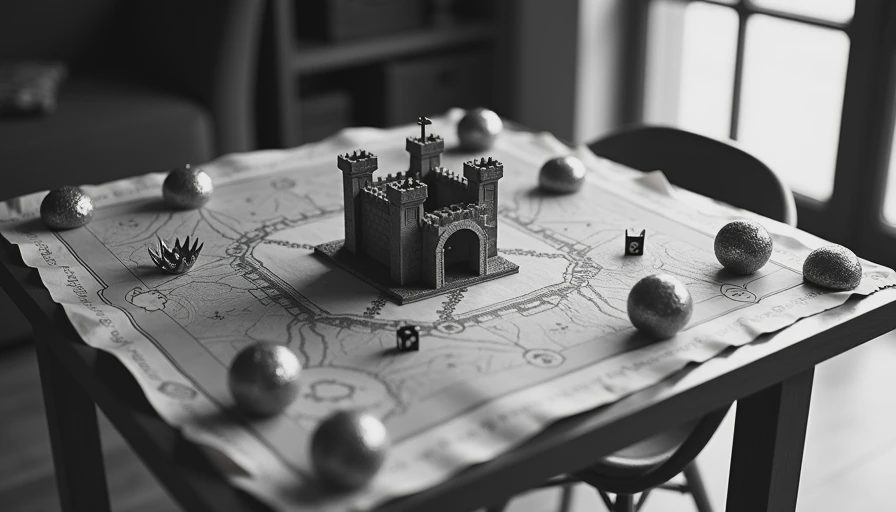
A practical way to compare fantasy strategy games
Start with the campaign scale. If you want a focused evening, a tactical game with missions of thirty to sixty minutes is usually a better fit than a sprawling sandbox. If you want a world to return to for weeks, choose a map-based game with diplomacy, research, and multiple factions. Session length is not a minor detail; it determines whether the game feels relaxing or like another appointment.
Next, compare how much control you want. Some games let you micromanage individual workers, buildings, and combat actions. Others ask you to make broad decisions and watch the results unfold. Neither approach is automatically superior. The former suits players who enjoy optimization, while the latter works for anyone who wants to feel like a ruler rather than an exhausted middle manager.
Consider presentation, too. A clean interface can make a dense system inviting. Strong sound design can make a routine harvest feel rewarding. Art direction does not need a massive budget, but it should help you understand faction identity, resource types, and battlefield danger at a glance. Pretty menus cannot rescue weak mechanics, though they can make learning better mechanics considerably less painful.
For most readers, I recommend starting with a game that has a clear tutorial, adjustable difficulty, and a campaign you can abandon without losing everything. You are testing a loop, not signing a blood oath to finish a seventy-hour conquest.
The best buyer mindset for this genre
Do not buy based only on the word “fantasy.” Some releases use castles and sorcery as decoration while offering very shallow strategy. Look for evidence of interconnected systems: resource chains, faction differences, meaningful terrain, political choices, or unit roles that change how you approach a battle. A dragon in the trailer is not a substitute for a functioning economy.
Steam demos, free weekends, and recent user reviews are especially useful here. Read reviews from players with similar tastes rather than sorting only by the overall score. A complaint about slow pacing might be a warning for one player and a recommendation for another. Pay attention to comments about tutorials, late-game repetition, save stability, and whether the interface remains manageable after the first few hours.
The smartest purchases are often games that match your current mood. If you want comfort, choose a builder with flexible settings. If you need a challenge, select a campaign with strong enemy factions and limited resources. If your backlog is already threatening legal action, wishlist the release and wait for a patch or sale. Fantasy strategy games reward patience, and your wallet deserves some of it too.
Good management games do not just waste your time; they teach you how you like to spend it. The right fantasy strategy games can turn a quiet weekend into a story about a desperate harvest, a badly planned alliance, or one heroic unit that somehow survives everything. Start with the loop you actually want, not the feature list that looks impressive in a trailer, and your next install has a much better chance of earning its place in the rotation.




Letters
No letters yet — be the first to write.