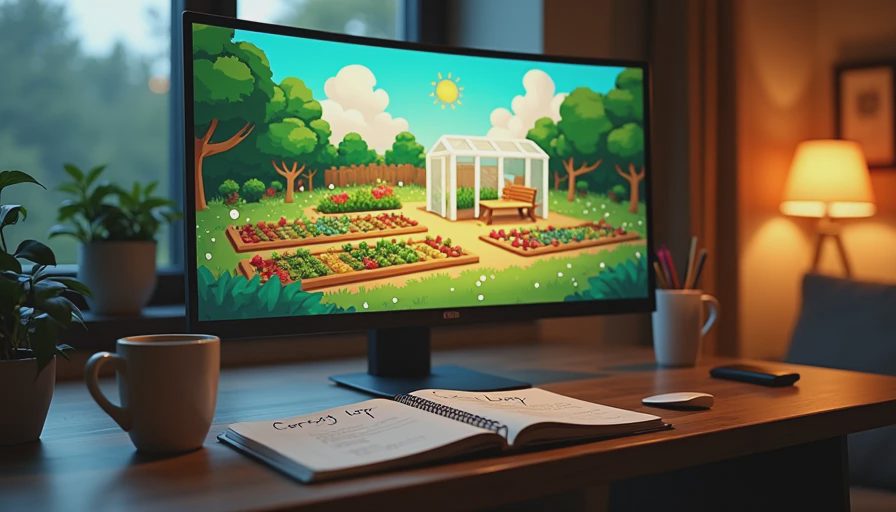
Farming sims all ask you to plant, water, harvest, and expand. Some of them feel like a gentle, restorative routine. Others feel like unpaid labor with better graphics. The difference is rarely the setting or the art style. It is almost always in how the systems treat your time and attention.
The Core Distinction
A cozy farming loop makes the daily work feel like an activity you choose. A chore-like loop makes the same actions feel like obligations you have to clear before the real game starts.
Both can have deep systems. Only one respects the player’s energy.
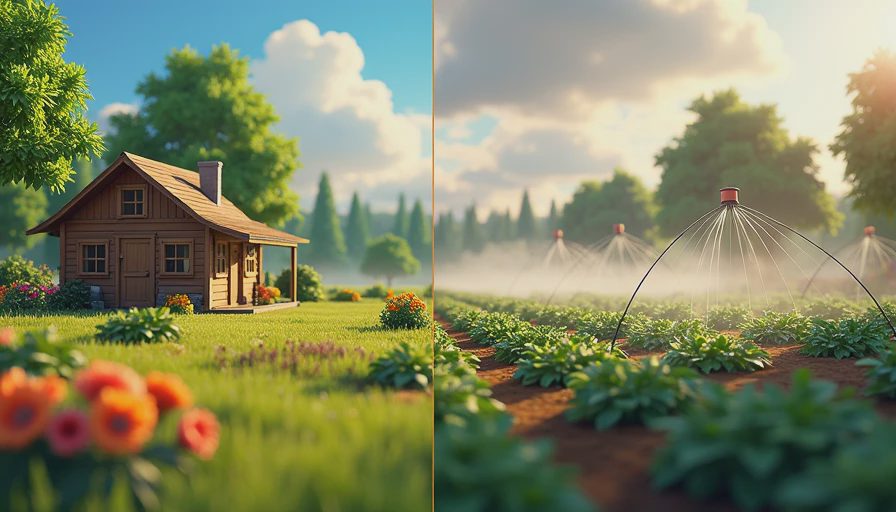
1. Feedback Speed and Clarity
In the better games, every small action produces a clear, timely result. Watering a crop, talking to a villager, or finishing a short crafting chain gives you immediate sensory or mechanical feedback. You see growth, hear a satisfying sound, or watch a number move in a way that feels connected to what you just did.
In the weaker ones, the feedback is delayed, muted, or buried. You perform the same actions for long stretches with little sense that anything meaningful is changing. The work becomes abstract. That is when it starts to feel like a chore list.
2. Optional Depth vs. Mandatory Busywork
Strong farming sims separate the relaxing core loop from the deeper optimization layer. You can stay on the surface — plant, water, harvest, sell — and still feel progress. The more complex systems (processing chains, animal genetics, large-scale logistics, perfect crop schedules) are available when you want them, not required to keep the game functional.
Weaker designs reverse this. Basic progression eventually demands constant micromanagement. Missing a watering cycle or failing to optimize a schedule starts to punish you. What began as a calm routine turns into a set of daily obligations you resent.
3. How the Game Treats Failure and Time Pressure
Cozy farming sims are usually forgiving about imperfect play. Crops can wait. Animals are patient. The world does not collapse because you spent an evening exploring or talking to people instead of maximizing yield.
Games that feel like chores often introduce soft or hard failure states tied to daily routines. Neglect has cascading consequences. Time pressure is constant. The result is that even simple actions carry anxiety. You are no longer playing; you are maintaining a system that will degrade if you look away.

4. Variety Inside the Routine
The best farming loops contain small, natural variations. Different seasons change what you plant and how the land looks. New tools or buildings gradually alter the rhythm of the day. Relationships, festivals, or light exploration break up the pure production cycle without feeling like separate minigames.
When the daily routine is almost identical for dozens of hours, the brain stops registering it as play. It becomes maintenance. That is the point where many players quietly drop the game even if they still “like” the idea of it.
5. The Feeling of Ownership vs. Obligation
This is the hardest quality to design and the easiest to feel. In a cozy farming sim, the farm starts to feel like something that belongs to you. Your layout decisions, crop choices, and small aesthetic touches create a place you want to return to.
In chore-like games, the farm often feels like a machine that owns you. The systems demand constant feeding. Your role shrinks to that of a caretaker who must keep the numbers acceptable. The emotional relationship flips.
Practical Examples of the Split
Games that generally stay on the cozy side of the line tend to keep core actions satisfying on their own, limit punishment for imperfect play, and let deeper systems remain optional. Stardew Valley is the clearest long-running example. Roots of Pacha and several newer indie farming sims follow similar principles.
Games that drift toward chores usually increase the number of mandatory daily interactions as the farm grows, tie progress tightly to optimization, or make the world feel indifferent to anything except efficient production. Some realistic farming simulators and certain early-access titles fall into this pattern once the novelty of the first season wears off.
A Simple Test
After a week or two with a new farming sim, ask yourself one question at the end of a session:
Did I stop because I was satisfied, or because I had finally finished the list?
If it is the second answer more often than the first, the systems are treating your time as a resource to be extracted rather than a resource to be respected. That is the difference between a cozy loop and a chore.
Good farming sims do not eliminate work. They make the work feel like something you want to do.




Letters
No letters yet — be the first to write.